
close
Choose Your Site
Global
Social Media


Views: 0 Author: Site Editor Publish Time: 2026-06-03 Origin: Site


Footwear design relies on a delicate balance between structural integrity and visual appeal. At the front of the shoe, a reinforcement layer carries a crucial dual mandate. It must preserve the carefully crafted silhouette while enduring repetitive mechanical stress during everyday wear.
When this vital component fails, the consequences directly impact your brand reputation. Collapsed toe boxes or delaminating layers inevitably lead to increased product return rates and severe brand dilution. Consumers quickly lose trust when their new footwear loses its shape after minimal use.
Choosing the right reinforcement material requires navigating material chemistry, lasting-room realities, and unit economics. In this guide, you will discover how to evaluate material types and master implementation protocols. We will help you identify the best fit for your production line. Aligning your material choices strictly to your factory's specific equipment ensures optimal quality and longevity.
Toe puffs dictate both the aesthetic longevity and functional durability of the toe box.
Material selection (thermoplastic, solvent-activated, leather) must align directly with the factory’s lasting equipment and production volume.
Evaluating suppliers requires looking beyond material cost to adhesion metrics, shape retention (memory), and sustainability compliance (e.g., REACH).
Improper implementation during the lasting process is the primary cause of material failure; controlled heating and precise skiving are critical.
Compromised toe shape severely damages perceived quality across all footwear categories. This damage becomes especially pronounced in high-end shoes. Buyers of premium footwear expect flawless contours. If the toe collapses, the shoe instantly looks cheap. A poorly structured toe box ruins the entire aesthetic. Brands often spend months perfecting a shoe last. Selecting inferior internal components completely undermines this investment. You must prioritize materials offering superior resilience.
The hidden costs of poor reinforcement materials add up rapidly. Defective components create enormous waste on the factory floor. Re-lasting labor drains daily productivity. Scrap rates skyrocket when adhesives fail to bond properly. Beyond the factory, consumer returns present a massive financial burden. Shoppers return footwear showing premature creasing or structural collapse. These returns erode profit margins quickly. Investing in a high-quality Toe Puff prevents these expensive downstream failures.
Defining successful implementation requires clear technical criteria. First, you must achieve zero visual telegraphing. The exterior upper should show no harsh lines. Second, the material needs optimal bounce-back. It must recover its shape after impact. Third, seamless integration is mandatory. The reinforcement layer must bond perfectly between the upper materials and the internal linings. Achieving these three criteria guarantees a structurally sound and visually appealing toe box.
Understanding material chemistry remains essential for procurement teams. Different footwear styles demand different structural properties. We created a comparison chart to summarize the primary options.
Material Type |
Activation Method |
Best Application |
Primary Drawback |
|---|---|---|---|
Thermoplastic (Hot Melt) |
Heat (80°C - 110°C) |
Sneakers, Modern Dress Shoes |
Requires precise temperature control |
Solvent-Activated Sheets |
Chemical Solvents |
Safety Boots, Rigid Footwear |
Introduces VOCs, requires ventilation |
Traditional Leather |
Organic Pastes |
Bespoke Heritage Footwear |
Highly labor-intensive, non-scalable |
Heat activates thermoplastic materials during the lasting process. Factory machines heat the resin until it becomes pliable. Operators then mold the shoe upper over the last. The material cools rapidly and locks the shape into place. This quick-cooling mechanism ensures rapid processing.
This category remains best suited for high-volume commercial manufacturing. Modern factories rely heavily on thermoplastics for sneakers. They also dominate the production of contemporary dress shoes. The material offers excellent shape memory.
Thermoplastics deliver several distinct advantages. They provide rapid processing speeds for large assembly lines. They also offer consistent, repeatable results. However, they carry specific limitations. Factory operators must maintain precise temperature calibration. Excessive heat will easily burn delicate upper leathers. Insufficient heat prevents the adhesive from bonding properly.
Chemical solvents soften these specialized sheets before application. Factory workers dip the material into a chemical bath. The solvent activates the internal resins. Once softened, the operator inserts the piece into the shoe. The material hardens dramatically as the solvent evaporates.
These chemical sheets serve specific structured footwear. Heavy-duty applications require extreme rigidity. Manufacturers often choose them for military boots. Industrial safety footwear also relies on this rigid support. The material creates an almost impenetrable toe box.
The primary advantage is undeniable structural integrity. Solvent-activated sheets withstand massive impact forces. Yet, the drawbacks require careful consideration. The dipping process introduces volatile organic compounds (VOCs). Factories must implement strict ventilation compliance protocols. Regulatory agencies monitor these emissions closely. Managing VOCs adds complexity to the production line.
Craftsmen prepare traditional leather reinforcements entirely by hand. They meticulously skive the edges using sharp knives. They then paste the material using organic starch pastes. The shoemaker inserts the damp leather between the upper and lining. The shoe must rest on the last for days to dry completely.
This traditional method belongs exclusively to bespoke cordwaining. Ultra-high-end heritage footwear brands still utilize oak-tanned leather. Clients paying premium prices often demand entirely natural components. It represents the pinnacle of classical shoemaking.
Leather provides ultimate breathability. It molds perfectly to the wearer's foot over time. It carries immense traditional appeal. Unfortunately, it is entirely non-scalable. The process remains highly labor-intensive. Mass production facilities simply cannot accommodate the required drying times. Sourcing consistent thickness also presents a constant challenge.
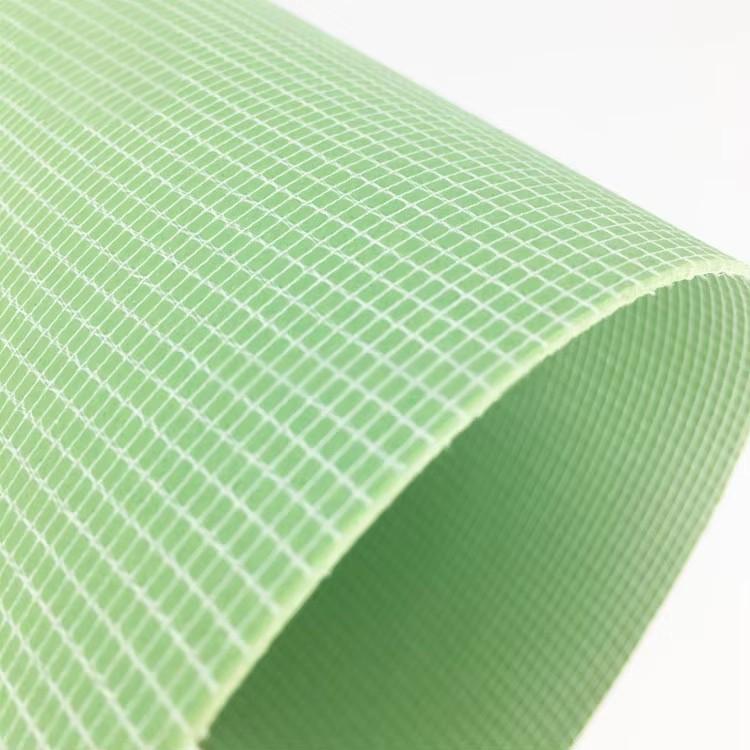
Assessing adhesion and compatibility prevents costly delamination. The adhesive backing must interact perfectly across various materials. You must evaluate the bond strength thoroughly. A successful Toe Puff will adhere to multiple substrates.
Leather Uppers: Requires an adhesive capable of penetrating natural fibers without staining.
Synthetic Uppers: Demands high-tack resins to grip smooth, non-porous PU surfaces.
Lining Materials: Must bond aggressively to textiles to prevent internal shifting.
Balancing thickness against resiliency dictates the shoe's character. Gauge represents the thickness measured in millimeters. You must weigh the gauge against the required firmness. Safety boots require thick gauges for high rigidity. Conversely, unlined loafers require very thin gauges. They need soft bounce-back rather than stiff armor. Matching the gauge to the design intent ensures optimal comfort.
Eco-compliance and sustainability now drive procurement decisions. Modern consumers demand environmentally responsible manufacturing. You must factor in recycled content percentages. Many premium materials now feature extruded recycled plastics. Adherence to international chemical standards remains non-negotiable. Suppliers must comply strictly with REACH regulations. They must also clear comprehensive restricted substance lists. Failing these audits blocks your product from major international markets.
Procurement teams should evaluate synergy between components. You must assess toe reinforcements alongside heel counters. These structural components should exhibit consistent material behavior. If the toe flexes differently than the heel, the shoe feels unbalanced. Procuring both components from the same supplier often ensures chemical compatibility. It also streamlines the factory's adhesive application protocols.
The lasting process introduces significant manufacturing risks. Temperature and dwell time dictate the success of the bond. Incorrect heat activation destroys the material's structural integrity. You must calibrate machinery precisely for every material batch.
Undercooking: Applying insufficient heat fails to activate the resin fully. This directly leads to weak bonds and eventual delamination.
Overcooking: Exposing the material to excessive heat alters its chemical structure. The resin crystallizes and becomes brittle.
Burn Through: Too much heat applied for too long damages the exterior upper leather. This ruins the shoe instantly.
Skiving requirements demand absolute precision from factory operators. The edges of the reinforcement material must taper smoothly. The transition from the structured toe to the soft vamp must feel seamless. Perfectly skived edges prevent visual telegraphing. Telegraphing occurs when a harsh ridge becomes visible on the shoe's exterior. This visible line signals poor craftsmanship. Operators must check their skiving machine blades daily. Dull blades tear the material instead of slicing it cleanly.
Cooling and setting represent the final critical window. After lasting, the material remains pliable for several minutes. It must cool completely while stretched tightly over the last. The resin slowly solidifies and adopts the last's exact contours. Rushing this phase causes disastrous shape distortion. Removing the shoe from the last prematurely allows the material to shrink. Factory managers must enforce mandatory cooling times to preserve the silhouette.
Establishing rigorous testing protocols protects your production line. Never commit to bulk orders based solely on specification sheets. Request sample swatches from potential suppliers immediately. Conduct in-house peel-strength tests to measure adhesive quality. Perform dome-crush testing to evaluate the material's shape memory. These physical tests reveal the truth behind marketing claims. Data gathered from your own laboratory holds the highest value.
Technical support separates excellent suppliers from average vendors. Evaluate whether the supplier offers robust on-site factory audits. A premium supplier will send technicians to your facility. They help calibrate your lasting machinery specifically for their materials. They train your operators on optimal temperature settings. This hands-on support dramatically reduces initial scrap rates.
Scalability and minimum order quantities dictate production flow. You must align MOQs directly with your manufacturing cycles. Smaller brands need suppliers offering low initial order volumes. Massive factories require guarantees of uninterrupted high-volume supply. Discuss lead times extensively during the initial negotiation. Late material deliveries will halt your entire assembly line.
Your actionable next step involves setting up a structured pilot run. Order enough material to produce a limited test batch. Test 50 pairs across various last shapes and upper materials. Send these test pairs through the entire assembly process. Inspect them rigorously for telegraphing and delamination. Wear-test them to monitor structural breakdown. Standardize the material only after the pilot run passes all quality checks.
The reinforcement layer functions as the structural anchor of your footwear. It represents far more than just a hidden component. It dictates the visual longevity of your product. Your reputation rests on how well your footwear maintains its shape over time.
The "best" material remains strictly relative to your specific operation. A premium bespoke shoemaker requires traditional oak-tanned leather. A high-volume sneaker factory demands fast-setting thermoplastics. You must choose the solution aligned directly with your lasting equipment. The end-use case of the shoe always dictates the ideal material chemistry.
Action Steps:
Audit your current factory scrap rates to identify adhesion failures immediately.
Initiate sample testing protocols with at least three vetted material suppliers.
Conduct an on-site calibration check of your factory's heating and lasting equipment.
Execute a 50-pair pilot run before authorizing any bulk material purchases.
A: A toe puff reinforces the front toe box, protecting the silhouette from collapsing under impact. A heel counter sits at the back of the shoe. It locks the heel in place to prevent friction and slipping. While both provide structure, heel counters require higher rigidity to support body weight and stabilize the wearer's gait.
A: Three main culprits cause failure. First, improper heat activation during the lasting process prevents strong adhesive bonding. Second, material fatigue occurs when manufacturers specify an incorrect gauge for the shoe type. Third, moisture degradation can weaken certain chemical resins and organic pastes, causing the structure to soften and ultimately collapse.
A: Yes, they are increasingly popular in high-end footwear. While strict traditionalists prefer oak-tanned leather for its breathability, modern high-end brands frequently utilize premium thin-gauge thermoplastics. These advanced materials offer unmatched consistency, excellent shape memory, and significant weight reduction without compromising the shoe's elegant external silhouette.
A: The correct gauge depends heavily on three factors. First, consider the upper material thickness; delicate leathers require thinner reinforcements to prevent visible ridges. Second, evaluate the shoe style. A heavy safety boot demands thick, rigid support, while a ballet flat needs a thin, flexible bounce-back. Thickness is typically specified in precise millimeters.


