close
Choose Your Site
Global
Social Media

Views: 0 Author: Site Editor Publish Time: 2026-06-16 Origin: Site
Comparing "PU leather" directly to "synthetic leather" is exactly like comparing an apple to fruit. This widespread confusion plagues consumers and procurement teams alike. Buyers frequently see these terms used interchangeably across retail platforms. Such marketing blur leads to misguided decisions. It heavily affects furniture purchases, apparel selections, and B2B material sourcing. You might think you are comparing two entirely different materials. In reality, you are simply comparing a specific product to its own broader category.
We need to cut through this industry noise. This article clarifies the material hierarchy to expose hidden manufacturing realities. We will provide a highly practical framework for your sourcing needs. You will learn exactly how to evaluate polyurethane against other faux options currently on the market. Understanding this structural hierarchy protects your budget. It ensures your next upholstery or fashion purchase performs exactly as you expect.
Categorical Reality: Synthetic leather is the umbrella term; polyurethane leather (PU) is a specific, higher-grade sub-category.
The Real Comparison: When buyers ask about this difference, they usually need to compare PU leather against PVC (Polyvinyl Chloride) leather.
Performance: PU leather offers superior breathability, a softer texture, and better environmental compliance than older synthetic alternatives.
Lifespan Expectations: While cost-effective, polyurethane leather has a finite lifespan and is susceptible to peeling under heavy UV or friction exposure.
The taxonomy of faux hide materials confuses many buyers. "Synthetic leather" functions strictly as a parent category. It encompasses all man-made, vegan, and artificial alternatives designed to mimic animal hide. Underneath this massive umbrella, two primary chemical compounds dominate the global market. These are Polyurethane (PU) and Polyvinyl Chloride (PVC).
Brand marketing often complicates this simple material science. Retailers love modern buzzwords. They frequently use labels like "vegan leather" or "faux leather" on product tags. These terms sound highly appealing to eco-conscious buyers. However, they intentionally mask the exact chemical composition of the product. When a tag simply says "synthetic," it tells you almost nothing about its performance. It obscures vital information about breathability, durability, and environmental impact.
In reality, Polyurethane leather represents the most widely used formulation within this broader group. Every single piece of PU is a synthetic. Yet, not all synthetics are PU. Recognizing this basic hierarchy acts as your first defense. It protects you against vague marketing jargon. By demanding specific chemical definitions, you take complete control of your purchasing process. You stop guessing and start evaluating materials based on their actual engineering.
Understanding how factories make this material reveals why it performs so well. The manufacturing process always starts with a foundation layer. Factories typically use a fabric backing made from polyester, cotton, or nylon. They coat this woven base in a highly flexible polyurethane polymer. This liquid polymer cures into a solid, highly durable surface.
We must address a crucial distinction here regarding product labeling. Not all products carrying the "PU" label are created equal. You will encounter 100% PU and bi-cast leather. A 100% PU product contains entirely man-made components. It qualifies as a fully vegan material. Bi-cast leather tells a completely different story. Manufacturers take a genuine animal hide split. This split is the lower, weaker layer of the skin left over from premium leather production. They coat this genuine split in a thick polyurethane layer. Bi-cast is absolutely not vegan. It relies on animal products hidden beneath its synthetic topcoat.
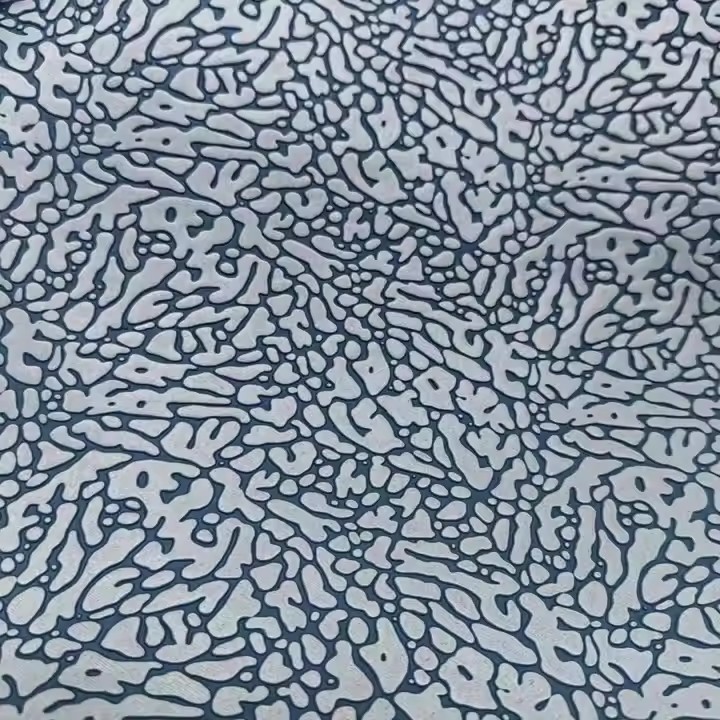
Manufacturers heavily favor PU for consumer goods for several practical reasons. It offers incredible flexibility for designers. It takes grain-stamping exceptionally well. Factories use massive heated rollers to press textures into the surface. They can perfectly mimic the look of premium calfskin, pebbled cowhide, or exotic ostrich. Production costs remain drastically lower than genuine hide. This manufacturing efficiency allows brands to achieve premium aesthetics at highly accessible price points.
Your actual purchasing decision rarely involves "PU vs Synthetic." Instead, you must decide between PU and PVC. This represents the true battleground in artificial materials. Understanding their distinct traits will guide you toward the right application.
Texture and airflow dictate everyday comfort. PU is uniquely micro-porous. It features microscopic holes allowing noticeable air circulation. It feels remarkably softer and mimics natural hide closely. PVC sits on the opposite end of the comfort spectrum. It remains entirely non-porous. It blocks air and retains body heat quickly. PVC often feels much more plastic, rigid, and cold to the touch. If you are buying a jacket or an office chair, breathability matters immensely.
Each material handles daily wear differently. PU boasts excellent flexibility. However, it remains prone to surface scratching. Over a span of three to five years, it often falls victim to hydrolysis. This chemical breakdown causes eventual surface peeling. PVC acts as the rugged workhorse of the industry. It stands highly rigid. It resists extreme weather, aggressive staining, and heavy moisture. You will frequently find PVC utilized in marine upholstery, restaurant booths, or harsh industrial environments.
Chemical safety standards heavily influence material sourcing globally. PU is generally considered far less toxic. It requires significantly fewer chemical plasticizers to achieve its flexible state. PVC production typically relies heavily on phthalates. These chemical softeners face increasingly strict environmental compliance regulations worldwide. Many modern brands now refuse to use PVC due to these environmental concerns.
To simplify your evaluation, here is a clear comparison matrix:
Performance Feature | Polyurethane (PU) | Polyvinyl Chloride (PVC) |
|---|---|---|
Breathability | Micro-porous structure allows moderate airflow | Non-porous, completely blocks airflow |
Surface Texture | Soft, highly flexible, mimics natural grain | Rigid, dense, features a synthetic plastic feel |
Durability Profile | Prone to hydrolysis and eventual peeling | Highly weather, stain, and moisture resistant |
Chemical Safety | Lower toxicity, uses fewer plasticizers | Often relies heavily on regulated phthalates |
Best Applications | Apparel, handbags, indoor seating, fashion | Marine use, heavy industrial seating, outdoor |
Buyers need clear success criteria to make informed decisions. We must carefully evaluate the initial cost against the expected lifespan ROI. Polyurethane offers an incredibly attractive, lower upfront price. You must, however, factor in the expected replacement cycle. It is simply not ideal for heirloom furniture meant to last for decades. Conversely, it serves excellently for trend-driven apparel. It works perfectly for mid-tier office seating. In these specific environments, fashion and design cycles shift every few years anyway.
Application appropriateness dictates your long-term satisfaction. We highly recommend PU for indoor use. It shines beautifully in office chairs, lightweight jackets, and fast-fashion handbags. We strongly advise against it for heavy-duty applications. Do not use it for serious motorcycle safety gear. Avoid using it for outdoor patio seating exposed to harsh elements. The material will degrade rapidly under those stressful conditions.
Risk mitigation focuses largely on preventing hydrolysis. This natural chemical process causes the dreaded flaking and peeling seen on older faux items. You can easily extend the material's lifespan by adopting optimal care assumptions. Avoid placing the material in direct, intense sunlight. Never apply harsh chemical cleaners, bleach, or abrasive solvents. Keep the material out of high-humidity environments. Simple wipe-downs using a slightly damp microfiber cloth usually suffice. By respecting these basic boundaries, you protect the polymer bonds and maximize your investment.
Not all synthetic options are manufactured to the same standard. When browsing options, you need reliable evaluation methods. You must separate premium grades from cheap, flawed imitations. Here is a highly practical framework to guide your visual and tactile checks during procurement.
Inspect the Grain Pattern: Look closely at the surface texture under good lighting. High-quality items display natural-looking grain irregularity. Cheap materials feature perfectly repeated, highly artificial stamping patterns.
Perform the Stretch Test: Gently pull the material between your fingers. Good Synthertic Leather should have slight elasticity. It should recover its original shape quickly. It must do this without warping or cracking the delicate surface coating.
Analyze the Fabric Base: Turn the material over if you have access to the underside. Examine the backing carefully. Heavier woven bases usually indicate much better tear resistance. Flimsy, thin backings often lead to premature structural failure.
Reading the spec sheet effectively prevents costly purchasing mistakes. Pay close attention to the exact phrasing used on product labels. A label stating "100% PU" guarantees a fully man-made, premium vegan product. A label reading "PU-coated" often flags a bi-cast product. This means you are buying a cheap animal split covered in plastic. Always demand clear, written specifications. Do this before committing to a bulk B2B order or an expensive retail purchase.
Our final verdict is quite simple. You do not choose between PU and synthetic options. You choose PU as your preferred synthetic material. It stands as a specialized, highly capable tier within a very broad manufacturing industry.
Demand Exact Blends: Always check manufacturer spec sheets for precise material blends before finalizing any purchase.
Match the Application: Ensure your chosen material aligns perfectly with your specific durability needs and environment.
Plan for Lifecycle: Budget realistically based on the expected three to five year lifespan of polyurethane goods.
Implement Gentle Care: Commit to mild maintenance routines to prevent early onset hydrolysis and surface cracking.
By defining your actual requirements and moving past vague marketing terms, you empower your purchasing strategy. You can confidently select materials engineered specifically for your exact needs.
A: Yes, it is susceptible to peeling through a process called hydrolysis. Over a timeline of roughly three to five years, the polymer bonds naturally begin to break down. This chemical degradation accelerates heavily when exposed to direct sunlight, high heat, excessive humidity, or harsh cleaning chemicals. Proper maintenance significantly delays this peeling process.
A: It is highly water-resistant, but it is not entirely waterproof. The top polymer coating repels liquid effectively. However, the woven fabric backing can easily absorb moisture. If seams, edges, or deep scratches become exposed to water, the internal structure will soak up the liquid, leading to material damage.
A: It costs significantly less than genuine animal hide. You can realistically expect a price difference of 30 to 50 percent cheaper. This substantial cost reduction makes it highly popular for fast-fashion apparel, budget-friendly furniture, and large-scale manufacturing projects where cost control is crucial.
A: Products clearly labeled as 100% PU are fully vegan and contain no animal products. However, some materials are marketed broadly as PU but use a bi-cast structure. Bi-cast or PU-coated split leather contains a bottom layer of real animal hide. Always verify the label explicitly states 100% synthetic.