close
Choose Your Site
Global
Social Media

Views: 0 Author: Site Editor Publish Time: 2026-06-06 Origin: Site
Footwear manufacturing relies heavily on precise, durable bonding. When joints fail, it directly drives high return rates, warranty claims, and serious brand erosion. Factory managers simply cannot afford weak bonds. Over the past decade, we have witnessed a massive shift from traditional stitched construction to modern, seamless, lightweight designs. This evolution fundamentally changes how factories approach assembly requirements. Older methods often fall short when applying delicate synthetics or complex textile meshes.
Evaluating traditional liquid adhesives against modern alternatives like adhesive film requires a strict assessment. You must consider material compatibility, production scalability, and environmental compliance. Choosing the right method minimizes defects and accelerates production speed. In this guide, you will learn how to identify hidden production risks and compare bonding technologies side-by-side. We will explore key evaluation dimensions so you can confidently select the exact bonding solution your shoe architecture demands.
Adhesive selection must balance material compatibility (e.g., highly plasticized PVC vs. porous EVA) with end-use durability requirements.
Traditional liquid glues (PU, Neoprene) offer versatility but often introduce high VOC emissions and longer curing times.
Adhesive film provides consistent, low-waste bonding for seamless uppers and textiles, though it requires specific thermal processing equipment.
Evaluating a supplier involves testing beyond initial tack—requiring environmental aging tests, hydrolysis resistance, and compliance verification.
A successful adhesive integration requires more than just initial tack. It maintains structural integrity under dynamic flexing, severe temperature variations, and heavy moisture exposure. Crucially, it achieves this without compromising overall shoe aesthetics. Consumers expect a flawless finish. Visible glue lines or yellowing edges instantly degrade perceived product value.
Sub-optimal adhesive choices lead directly to catastrophic failures. Delamination and sole separation represent the most severe consequences of poor bonding. When a sole separates from the upper during standard use, it destroys consumer trust. Brands face expensive product recalls and lasting reputational damage. We see these failures when engineers prioritize unit cost over environmental suitability or substrate compatibility. Cutting corners during the bonding phase always amplifies downstream expenses.
Beyond field failures, incompatible adhesives introduce hidden production costs. Traditional bonding often dictates prolonged drying times. You must hold inventory in drying tunnels, which eats up valuable floor space. Furthermore, mismatching glues to porous substrates generates exceptionally high scrap rates. Workers also face significant safety hazards. Toxic fumes from heavy solvent-based solutions degrade factory air quality. Poor air quality leads to increased worker absenteeism and severe regulatory fines. You must evaluate the entire assembly lifecycle to understand these hidden risks fully.
Factory engineers generally choose between liquid formulations and solid-state bonding materials. Each category addresses specific structural demands and material constraints. Understanding these distinctions helps you allocate the right chemistry to the right shoe component.
Manufacturers rely on solvent-based PU and Neoprene for heavy-duty applications. They excel at bonding thick leather, vulcanized rubber outsoles, and highly stressed mechanical joints. Their aggressive tack securely locks demanding substrates together. However, they carry significant limitations. High Volatile Organic Compounds (VOCs) create strict environmental regulatory risks. Factory lines require extensive ventilation systems. Application also demands exhaustive surface preparation, including intense roughing and aggressive priming.
Water-based PU serves eco-conscious manufacturing lines well. They provide strong bonds on most synthetic materials while drastically reducing VOC emissions. They protect worker health and help brands meet strict sustainability targets. The main limitation lies in processing speed. Water evaporates much slower than chemical solvents. Consequently, factories must install and maintain climate-controlled drying tunnels. This requirement increases energy consumption and extends the overall assembly timeline.
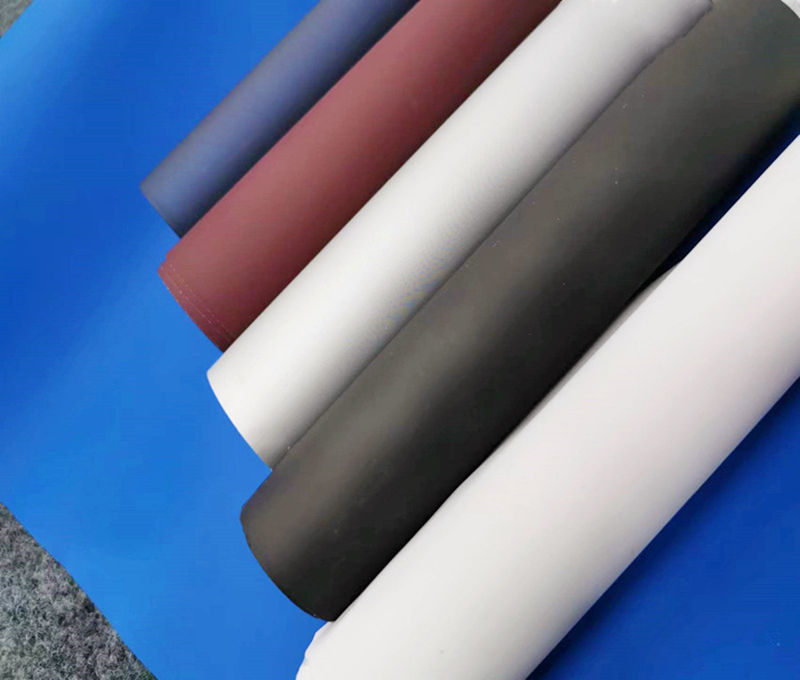
Modern shoe architecture relies heavily on adhesive film for structural integrity. It works exceptionally well for seamless shoe uppers, lightweight insoles, tongue labels, and technical mesh fabrics. The advantages are striking. You get zero VOC emissions and an instant bond upon cooling. Factory workers apply an exact, uniform thickness every time. It also significantly reduces overall shoe weight. However, it is not a universal fix. It struggles with complex, deep-cavity sole attachments. You also need specialized heat-press or laminating machinery to activate the bond correctly.
Adhesive Type | Ideal Applications | Key Advantages | Major Limitations |
|---|---|---|---|
Solvent-Based PU | Rubber outsoles, thick leather | High initial tack, extreme strength | High VOCs, toxic fumes, long prep |
Water-Based PU | Synthetics, eco-friendly lines | Low VOCs, high bond strength | Slow drying, requires heat tunnels |
Adhesive Film | Seamless uppers, textiles, meshes | Zero waste, instant set, exact thickness | Requires thermal press, not for 3D soles |
You cannot select an adhesive based on a simple data sheet alone. You must match the chemical properties directly to the physical outcomes expected by the end consumer. We recommend evaluating your options across four primary dimensions.
Material Compatibility (Substrate Matching): Evaluating surface energy is critical. Some materials inherently resist bonding. You must understand how the formulation reacts to chemical changes over time. For example, plasticizer migration in PVC can slowly dissolve a bond line. Conversely, the extreme porosity of EVA foams might absorb liquid glue too quickly, starving the joint.
Flexibility and Fatigue Resistance: Shoes bend thousands of times a day. You must assess the adhesive's modulus of elasticity. The bond must stretch and recover with the foot without cracking. This dimension remains especially critical for athletic running shoes and heavy-duty outdoor footwear. Rigid glues will snap under constant dynamic fatigue.
Environmental & Weather Resistance: Consumer environments vary wildly. Testing for hydrolysis resistance prevents degradation in high-humidity regions. A weak bond will simply melt away in a tropical climate. Likewise, thermal stability testing prevents reactivation in hot climates. You do not want shoe parts separating inside a hot shipping container.
Production Speed and Scalability: Compare open times and curing speeds carefully. Shorter curing cycles push more units out the door. You should also assess automated dispensing potential. Integrating adhesive film can permanently eliminate lengthy drying bottlenecks compared to standard liquid alternatives. Faster cooling means immediate progression to the next assembly station.
Transitioning to a new bonding system exposes the factory to several rollout risks. Engineering teams must prepare for strict process controls to ensure consistent quality.
You must emphasize one critical rule: no formulation ever compensates for poor surface preparation. Contaminated surfaces guarantee immediate delamination. You must strip away mold release agents entirely. Outline the absolute necessity of halogenation for rubber components. Halogenation chemically alters the rubber surface so it can properly accept polyurethane formulations. Similarly, corona treatment remains mandatory for low-surface-energy plastics. These extra preparation steps secure the chemical anchor.
Upgrading your bonding line changes your financial framework. Let us check a common assumption. Switching to a solid state system absolutely lowers daily labor expenses and material waste costs. You stop paying for evaporated solvents and spilled liquids. However, this operational expenditure (OpEx) reduction requires an upfront capital expenditure (CapEx). You must invest in precise thermal lamination equipment. Calibrated heat presses ensure the polymers melt and penetrate the fabric correctly. You must balance the immediate machine costs against long-term production savings.
Prototyping demands rigorous physical testing. Implementing standard peel-strength testing, such as SATRA TM404, establishes a quantifiable baseline. You pull the bonded materials apart and measure the exact force required to break the joint. Do not stop at room-temperature tests. Use accelerated aging chambers during the prototyping phase. Expose the shoes to intense heat, humidity, and UV light for several weeks. This validates bond longevity long before mass production begins. Catching a flaw here saves millions in eventual recall costs.
Finding the right bonding chemistry is only half the battle. You must also secure a reliable, compliant manufacturing partner. Your supplier determines your ability to scale production smoothly and legally.
Regulatory Compliance: Global market access requires strict adherence to environmental laws. Ensure the formulation meets global standards like REACH in Europe and RoHS. Furthermore, major footwear brands maintain extensive Restricted Substance Lists (RSL). Your supplier must guarantee total absence of these banned chemicals.
Technical Support and Custom Formulation: Off-the-shelf products rarely fit complex shoe designs perfectly. Evaluate suppliers based on their willingness to perform lab-scale bonding trials. They should test your specific substrate combinations in their own facilities. A strong partner will tweak the polymer chain to match your exact EVA or leather specs.
Supply Chain Stability: Factory halts destroy profit margins. Assess the supplier's shelf-life predictability. If liquid glues expire too quickly, you lose inventory. You must also verify their global distribution capabilities. Offshore manufacturing facilities require uninterrupted material deliveries to hit strict shipping deadlines.
Next-Step Action: Always verify claims through documentation. Request detailed technical data sheets (TDS) and safety data sheets (SDS). Review the specific curing temperatures and viscosity ranges. Finally, request material sample testing before committing to a costly pilot run.
There is no single universal footwear adhesive. The correct decision always hinges on the specific shoe architecture, the complex substrate mix, and the target production volume. Factory managers must weigh performance metrics against assembly speed and environmental compliance.
Our strategic advice remains clear. Traditional liquid PU continues to be necessary for anchoring heavy, molded outsoles. However, integrating adhesive film for seamless uppers and technical textiles offers unmatched assembly efficiency. It ensures strict environmental compliance for modern, lightweight footwear designs while radically reducing factory waste.
Take action today to optimize your assembly line. Contact an application engineer for a comprehensive substrate audit. Alternatively, request a sample roll of bonding material to conduct internal peel-strength testing on your specific fabrics.
A: Typically, a two-part polyurethane (PU) adhesive combined with appropriate primers yields the highest peel strength for this critical joint. You must use specific halogenation treatments for the rubber side and specialized EVA primers for the foam side to ensure deep chemical anchoring.
A: No. While it proves optimal for seamless uppers, laminating fabrics, and flat insoles, complex 3D bonding still requires liquid adhesives. Attaching a deep cup sole demands liquid formulations for adequate gap filling, proper conformability, and rigorous structural hold.
A: Use adhesives specifically formulated with high-molecular-weight polymers. You can also apply specialized barrier primers. These primers effectively block plasticizers—commonly found in highly flexible PVC and some synthetic leathers—from reaching the bond line and degrading it over time.
A: Buyers must verify compliance with regional and brand-specific frameworks. This includes REACH regulations in the EU, zero or low VOC emission standards, and brand-specific Restricted Substances Lists (RSL). Meeting these standards ensures completely legal, unrestricted global market access for your products.